
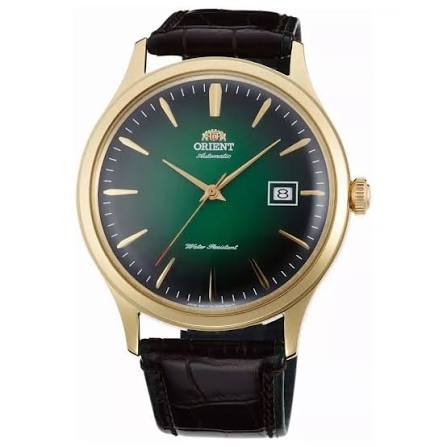
Mechanical watches have a unique appeal because they combine traditional engineering, intricate construction, and visual character in a single accessory. Rather than relying entirely on electronic technology, mechanical watches use a network of carefully assembled components to measure the passage of time. Orient watches have gained recognition among watch enthusiasts for offering mechanical designs that bring this traditional experience into everyday wear.
The Appeal of Mechanical Movements
The movement is at the heart of a mechanical watch. Unlike quartz watches that depend on a battery-powered electronic oscillator, mechanical movements use a mainspring, gears, and an escapement system to regulate timekeeping. The movement of the wearer can also help power an automatic watch through its rotor.
This mechanical interaction creates a distinctive experience for enthusiasts. Seeing a watch operate through traditional mechanical principles can make it feel more connected to the history of watchmaking.
Automatic Technology and Everyday Convenience
Many Orient watches feature automatic mechanical movements, making them particularly appealing to people who appreciate traditional watch technology without wanting to manually wind their watch every day. As the wearer moves their wrist, the rotor inside the movement rotates and helps wind the mainspring.
This combination of traditional mechanics and everyday convenience makes automatic watches suitable for regular use. However, like other mechanical watches, they can require more attention than quartz models and may need servicing over time.
Visible Mechanical Character
Another aspect of mechanical watches that attracts enthusiasts is the opportunity to appreciate the movement itself. Certain models feature exhibition casebacks that allow the wearer to view components moving inside the watch.
The visible rotor and other mechanical parts can transform the back of a watch into an additional design feature. For collectors, these details provide a closer connection to the engineering that powers the timepiece.
Dial Design and Watch Personality
The mechanical movement is important, but the appeal of a watch also depends heavily on its external design. Orient offers watches with different dial layouts, colours, indices, hands, and case profiles. These details allow different models to suit formal, professional, casual, and everyday settings.
Classic dial designs can create an understated appearance, while more detailed layouts provide a stronger visual presence. The choice of strap or bracelet can further influence the character of the watch.
Craftsmanship and Traditional Watchmaking
Mechanical watches are appreciated for the level of engineering required to assemble and regulate their movements. Numerous small components work together to store energy, transfer it through the gear train, and control the release of that energy at a consistent rate.
This traditional approach gives mechanical watches a sense of craftsmanship that appeals to collectors and enthusiasts. For many buyers, the attraction is not simply accurate timekeeping but also the engineering story contained within the case.
Choosing the Right Mechanical Watch
When considering Orient watches, buyers should look beyond appearance and examine the features that matter for their intended use. Movement type, power reserve, case size, water resistance, crystal material, strap design, and dial readability can all influence the ownership experience.
Someone looking for a classic everyday watch may prefer a simple automatic model, while a collector might prioritise distinctive movement details, dial design, or an exhibition caseback.
Conclusion
The appeal of Orient watches comes from the combination of traditional mechanical engineering and practical everyday design. Their automatic movements, detailed dials, varied case styles, and mechanical character make them interesting choices for people who appreciate the heritage of watchmaking. For enthusiasts, wearing a mechanical watch is not only about telling time but also about experiencing the craftsmanship and engineering that make each timepiece distinctive.